
Why Problems Happen and How to Fix Them Fast
Common challenges in foam molding installation projects usually come down to surface prep, poor alignment, bad adhesive use, and weather issues. If the trim is not installed the right way, it can crack, shift, or pull away from the wall. The good news is most problems follow clear patterns. When you know what causes them, you can fix them early and avoid damage to your home.
Common Symptoms You May Notice
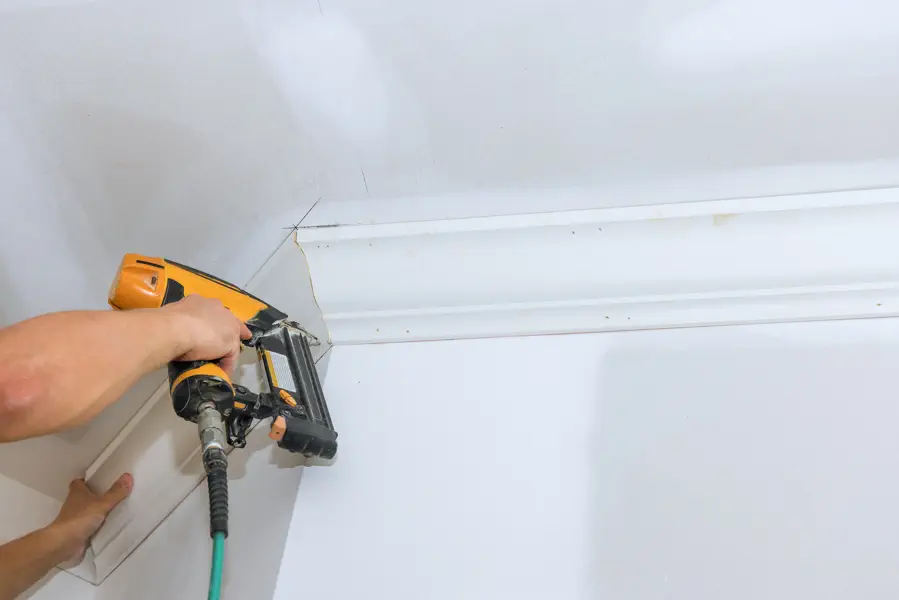
When foam molding installation goes wrong, the signs are often easy to spot. You might see gaps between the molding and the wall. Corners may not line up cleanly. Some pieces may feel loose when touched. In worse cases, the molding may warp or bow after a few weeks.
Other signs include:
- Visible seams between sections
- Cracked caulk lines
- Peeling paint on the molding
- Water stains near trim areas
- Uneven spacing around doors or windows
These problems are common in both interior and exterior decorative trim projects.
Likely Causes Behind These Problems
Most foam molding problems start before the first piece goes on the wall. If the surface is dusty, oily, or uneven, the adhesive may not bond well. Moisture is another big factor. Installing foam trim on damp walls can lead to weak adhesion.
Incorrect measurements also create trouble. Even small errors can make joints look sloppy. Rushing cuts or using dull blades can damage edges.
Weather plays a role too. Extreme heat can soften adhesives. Cold weather can slow curing time. If installers do not adjust for temperature, the molding may shift before it sets.
What to Check First
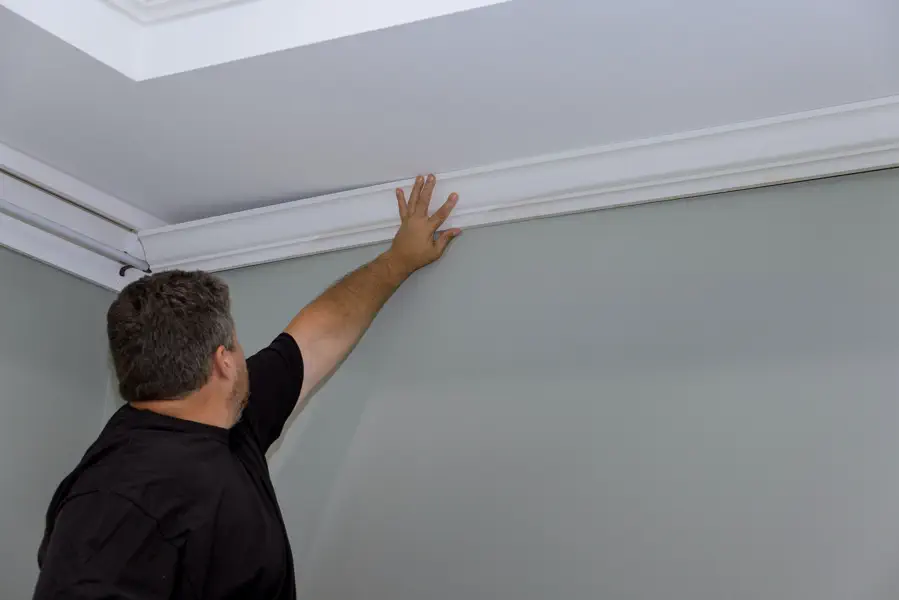
If you notice issues, start with a basic inspection. Check if the molding is firmly attached. Lightly press along the length to feel for loose spots. Look at the seams and corners.
Next, inspect the adhesive lines. If you see gaps or dried lumps, the adhesive may not have been applied evenly. Check for signs of water damage around windows and roof lines.
You should also confirm:
- The wall surface was clean before installation
- Proper exterior-grade adhesive was used
- Fasteners were placed where needed
- Caulk joints are sealed and smooth
Small details often point directly to the root cause.
Safe Fixes Vs Professional Repairs
Some foam molding installation problems are easy to fix. If a small section is loose, you can carefully apply fresh adhesive and secure it. Minor gaps can be resealed with quality paintable caulk. Cracked seams can often be sanded and recaulked.
However, larger problems need skilled repair. If long sections are pulling away, there may be structural movement or improper fastening. Warped or damaged pieces often need full replacement. Water damage behind the molding should never be ignored. That can lead to rot or mold inside the wall.
Exterior projects are part of a larger finish system. If decorative trim is not installed correctly, it affects both appearance and protection. In these cases, hiring a professional can save time and money.
Prevention Tips for Better Results
Preventing foam molding issues starts with planning. Good preparation reduces almost every common problem.
- Clean and dry all surfaces before installation.
- Measure twice and cut once.
- Use the correct adhesive for the surface type.
- Apply even pressure along the entire molding piece.
- Seal all seams and joints right away.
- Paint or coat the molding to protect it from moisture.
It also helps to install during mild weather. Avoid very hot or freezing days. Give adhesives enough time to cure before painting or stressing the material.
Routine checks after installation can catch small problems early. A quick visual scan each season keeps foam trim in good shape for years.
Get Expert Help for Long-Lasting Results
If you are dealing with foam molding installation challenges in North Highlands, CA, professional service can make a big difference. At Trujillo Palacios Foam Design LLC, we repair and install foam trim with careful prep and proper materials. We focus on clean seams, strong adhesion, and long-term durability. Call us at (916) 526-5079 to schedule service or ask questions about your project. We are ready to help protect your home and improve its appearance with reliable workmanship.