
How Decorative and Functional Trim Is Installed on Buildings
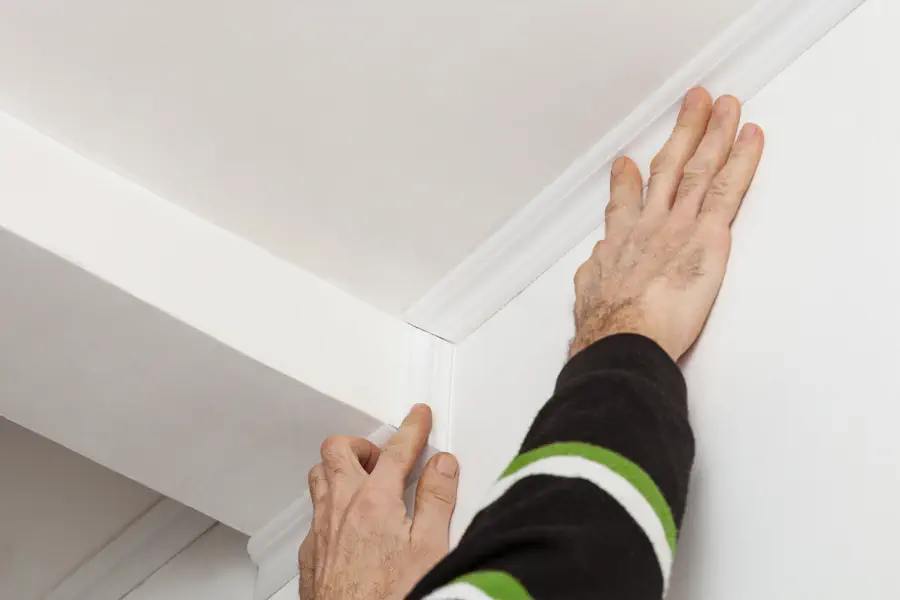
Foam molding installation is the process of attaching lightweight foam trim to the inside or outside of a building. These moldings add style, shape, and detail without the heavy weight of wood or stone. Builders often use foam trim around windows, doors, roofs, and ceilings. In construction, it helps improve curb appeal while keeping costs and labor lower than traditional materials.
What Foam Molding Is and Why It Is Used
Foam molding is made from high-density foam, often coated with a hard finish. This coating protects the surface from weather, cracks, and dents. It can look like wood, stone, or plaster, but it weighs much less.
In many construction projects, foam trim is chosen because it is:
- Lightweight and easy to move
- Simple to cut and shape
- Resistant to moisture and pests
- Cost-effective compared to carved wood or stone
Foam molding installation is common in both new builds and remodeling jobs. Contractors may use it to match older decorative styles or to create clean, modern lines.
What You Need Before Starting Installation
Before starting foam molding installation, the surface must be clean and dry. Dust, loose paint, or moisture can cause poor adhesion. The installer also needs the right tools and supplies.
Typical materials include:
- Construction adhesive approved for foam
- Caulk for sealing joints
- Screws or anchors if extra support is needed
- A level and measuring tape
- A fine-tooth saw for smooth cuts
Proper planning matters. Measurements must be accurate so pieces line up at corners and seams. Even small gaps can stand out once the project is painted.
Step-by-Step Foam Molding Installation Process
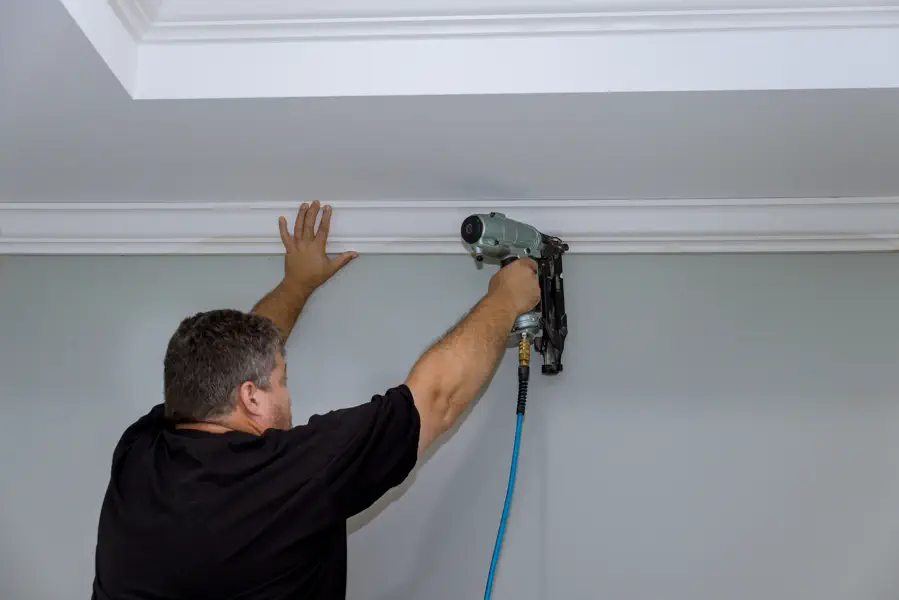
While each project may vary, most foam molding installation follows these steps:
- Measure the installation area carefully.
- Cut the foam molding to match the measurements.
- Dry-fit the pieces to check alignment.
- Apply construction adhesive to the back of the molding.
- Press the molding firmly against the surface.
- Secure with fasteners if required.
- Seal joints and edges with caulk.
- Allow adhesive to cure before painting.
Taking time during the dry-fit step helps avoid mistakes. If the molding is not level, the final result can look uneven.
Common Mistakes to Avoid
Foam molding may look simple to install, but errors can lead to cracks or loose pieces later. One common mistake is using the wrong adhesive. Some solvents can damage foam and weaken it.
Another issue is skipping surface prep. Dirt and moisture reduce bonding strength. Rushing alignment is also a problem. Once adhesive sets, moving the piece becomes difficult.
Installers should avoid over-tightening screws. Foam compresses easily, which can dent the surface. Light pressure and correct placement protect the finished look.
When to Call a Professional
Small interior trim projects may be suitable for experienced DIY homeowners. Large exterior details or multi-story installations are different. Working at heights adds risk. Complex architectural designs also require precision cuts and sealing.
Professional crews understand expansion and contraction patterns, weather exposure, and local building code rules. In commercial construction, proper integration with other service category keyword work like exterior finishing and façade systems matters. Poor coordination can lead to water intrusion or weak attachment points.
If the design includes intricate shapes or large decorative columns, skilled installers can create cleaner joins and longer-lasting results.
Final Thoughts and Professional Support
Foam molding installation adds style and detail without heavy materials or high labor costs. The process involves careful measuring, proper adhesive use, and sealing all joints to prevent moisture damage. While some small projects can be handled by handy property owners, large or complex installations benefit from trained professionals who follow safe methods and building standards.
Get Reliable Help for Your Project
If you are planning foam molding installation in North Highlands, CA, our team at Trujillo Palacios Foam Design LLC is ready to help with clear guidance and skilled workmanship. We handle everything from layout and cutting to secure attachment and finishing, and we focus on clean results that last. Call us at (916) 526-5079 to talk about your project and schedule a consultation with our crew.